
IV Sedation Dentistry Adelaide
TWILIGHT SEDATION FOR DENTAL TREATMENT
Dental Treatment Doesn’t Have to Feel Overwhelming.
For some people, a trip to the dentist is straightforward. For others, even making an appointment can feel difficult.
Perhaps you’ve had a bad experience in the past, struggle with dental anxiety or have been putting off treatment because you’re worried about what it might involve.
At Sleep Dentistry Adelaide, we offer IV sedation, also known as twilight sedation, to help suitable patients feel more relaxed and comfortable during dental treatment.
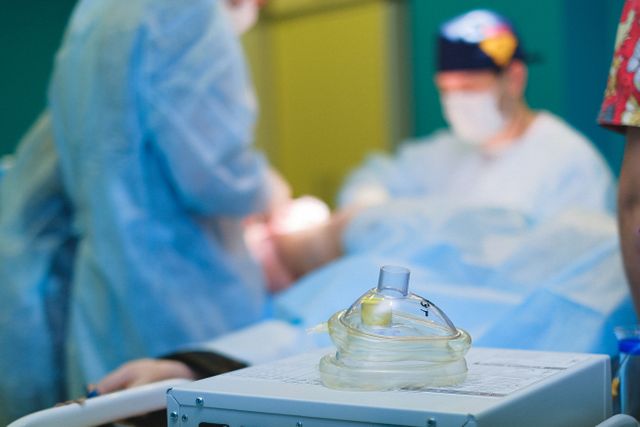
Who Might Benefit from IV Sedation?
IV sedation may be considered for people who find conventional dental treatment particularly difficult.
Dental Anxiety or Phobia
If you’ve avoided dental appointments because of fear or previous experiences, sedation may help you access clinically necessary treatment with less anxiety.
Wisdom Teeth & Surgical Extractions
Patients who are concerned about having wisdom teeth or other teeth removed may benefit from discussing IV sedation as part of their treatment plan.
Strong Gag
Reflex
An exaggerated gag reflex can make some dental procedures uncomfortable or difficult to complete. Sedation may help in selected cases.
Longer or More Involved Appts.
Some treatments require extended time in the dental chair. IV sedation may be considered when the nature or duration of treatment makes conventional care difficult for a patient.
What Is IV Sedation Dentistry?
IV sedation is a form of conscious sedation used to reduce anxiety and awareness during dental procedures.
Sedative medication is administered through a small cannula placed into a vein, usually in your hand or arm. The medication helps you become deeply relaxed and drowsy while your dental team carries out the planned treatment.
Unlike general anaesthesia, IV sedation doesn’t normally make you completely unconscious. You’ll generally remain able to respond to instructions, although you may have little recollection of the procedure afterwards.
Local anaesthetic is usually administered separately to numb the treatment area.
IV sedation requires appropriate clinical assessment and monitoring, and isn’t suitable for every patient.
IV Sedation vs General Anaesthesia
Although IV sedation is sometimes described as sleep dentistry, it isn’t the same as having a general anaesthetic.
Both approaches have benefits, limitations and potential risks. Your treating clinician can explain which options are available and suitable based on your treatment needs, medical history and individual circumstances.
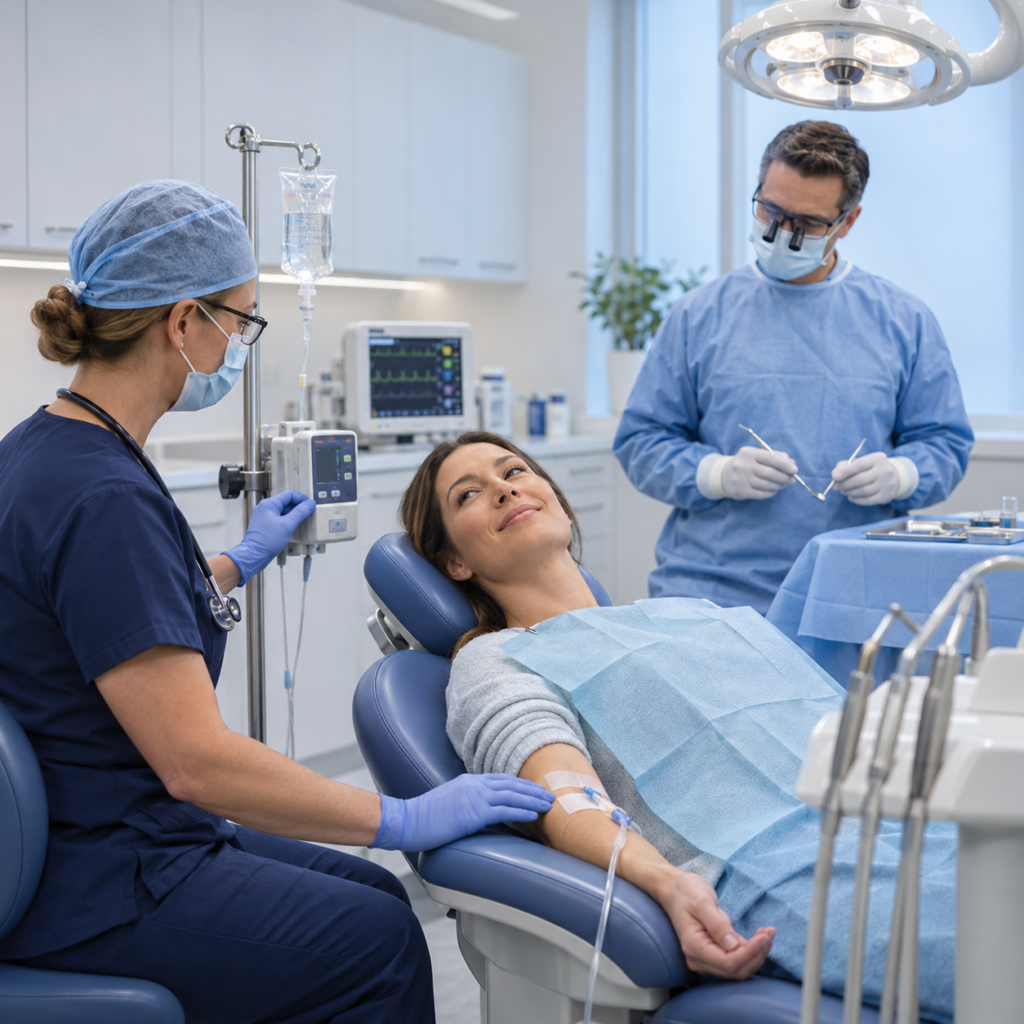
IV Sedation
(Twilight Sedation)
IV sedation helps you become relaxed and drowsy. You usually remain conscious, can respond when prompted and may remember very little of the procedure.
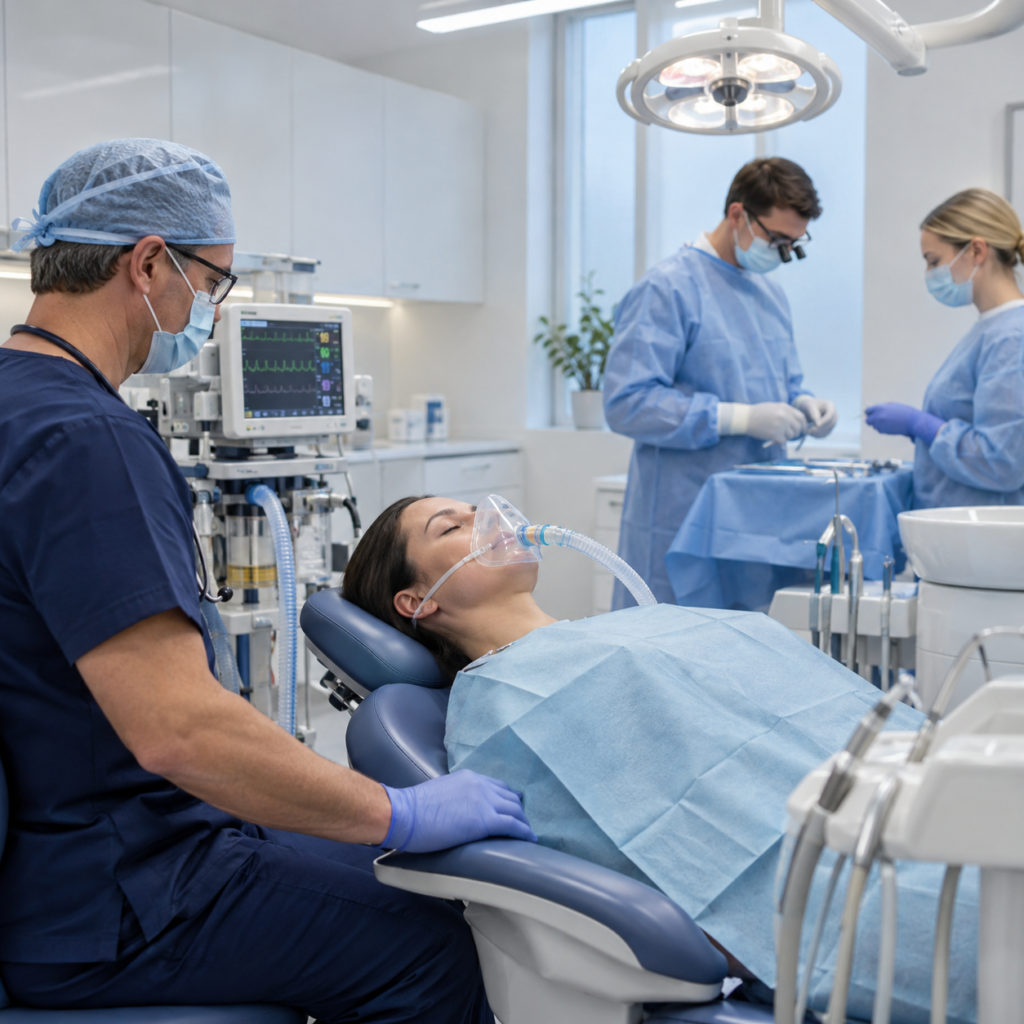
General Anaesthesia
General anaesthesia produces a controlled state of unconsciousness. It requires different clinical arrangements and may be provided in a hospital setting for patients or procedures where it is appropriate.
What to Expect When Having IV Sedation
1. Initial Consultation
Before recommending IV sedation, your dentist will discuss your dental concerns, treatment requirements and medical history. This may include reviewing your medications, previous experiences with sedation, relevant medical conditions and any factors that could affect your suitability.
2. Preparing for Your Appointment
If IV sedation is recommended, you’ll receive instructions before your procedure. These may include fasting requirements, guidance about regular medication and arrangements for a responsible adult to take you home.
It’s important to follow the specific instructions provided by your treating team.
3. During Your Treatment
Your sedation clinician will administer medication through an intravenous cannula and monitor you throughout the procedure. Once an appropriate level of sedation has been reached, your dentist can begin the planned treatment using local anaesthetic as required.
4. Recovery and Going Home
Following treatment, you’ll remain under observation until your treating team determines you’re ready for discharge. You won’t be able to drive yourself home and will need a responsible adult to accompany you.
Sedative medication can continue to affect your judgement and coordination after you leave, so you’ll need to follow the restrictions and aftercare instructions provided.
Is IV Sedation Safe?
IV sedation is an established technique used in dentistry, but like any procedure involving sedative medication, it carries risks.
Possible complications include changes in breathing, blood pressure or oxygen levels, reactions to medication and prolonged drowsiness.
A pre-treatment assessment helps identify medical conditions, medications or other factors that may increase these risks. Appropriate monitoring, equipment and trained clinical personnel are important parts of providing sedation care. Your clinician will explain the material risks, benefits and alternatives before obtaining your informed consent.
IV Sedation at Three Adelaide Dental Practices
Sleep Dentistry Adelaide provides access to sedation dentistry services through three Adelaide dental practices.
Sedation dentistry consultations and treatment options at Eastside Dental. Our team can help you identify an appropriate practice based on your dental needs and the services available.
IV sedation assessments and dental treatment options at Medindie Dental.
Dental consultations and IV sedation treatment arrangements at Muller Road Dental Care.
Frequently Asked Questions
Will I be completely asleep during IV sedation?
Not usually. IV sedation typically allows you to remain conscious but deeply relaxed. You may feel sleepy and remember little about the appointment. It is different from general anaesthesia, which produces unconsciousness.
Will I feel pain during IV sedation?
Sedation helps manage anxiety and awareness but does not replace local anaesthetic. Your dentist will generally use local anaesthetic to numb the treatment area. Some discomfort may still occur during recovery, depending on the dental procedure.
Can I have wisdom teeth removed with IV sedation?
Yes, IV sedation may be suitable for some wisdom teeth extractions. Your dentist will assess the position and complexity of your wisdom teeth and your medical suitability before recommending treatment.
Can I request IV sedation if I’m scared of the dentist?
Absolutely. You can raise your concerns during an initial consultation, even if you’re unsure what treatment you need. Your dentist can discuss available approaches and whether sedation would be clinically appropriate.
Can I drive after IV sedation?
No. You’ll need a responsible adult to take you home, and you must follow your treating team’s restrictions on driving and other activities after sedation.
Is IV sedation suitable for everyone?
No. Certain medical conditions, medications and other factors may make IV sedation unsuitable or require additional assessment. Alternative sedation or anaesthetic arrangements may be recommended.
What’s the difference between IV sedation and happy gas?
IV sedation uses medication delivered into a vein and generally produces a deeper level of sedation than nitrous oxide, commonly known as happy gas. Nitrous oxide is inhaled through a mask and is often used for milder anxiety or shorter procedures.
Let’s Make Dental Care Feel More Manageable.
If dental anxiety, a previous experience or concerns about an upcoming procedure have made you hesitant to book an appointment, we’re here to discuss your options.
Contact Sleep Dentistry Adelaide to learn more about IV sedation and arrange a consultation at one of our Adelaide dental practices.